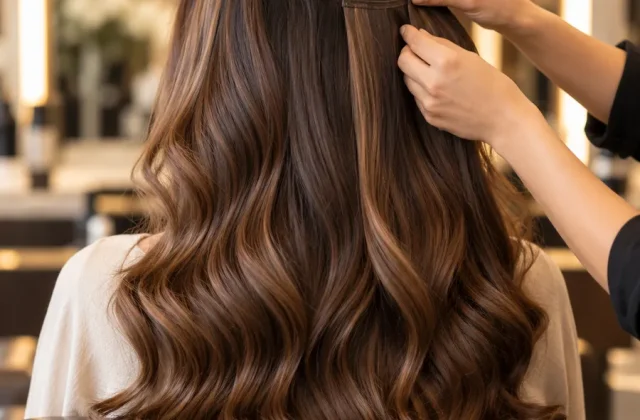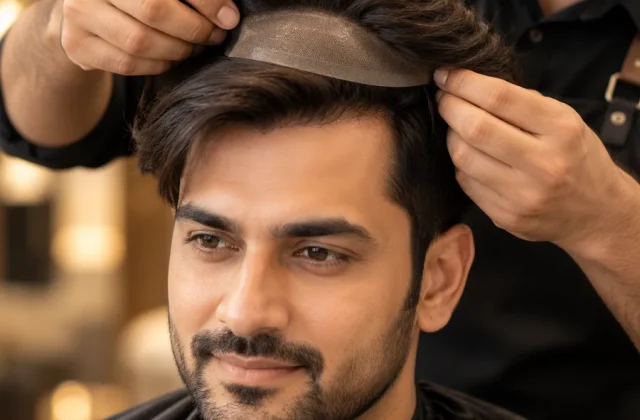

Hair loss is one of the most emotional parts of cancer treatment for many people. A well-chosen wig can help you feel more like yourself, in public and in private. Here is what we recommend to our clients and their families.
Start early if you can
If possible, visit us before your hair starts to thin. It is much easier to match your natural colour, texture and style while your own hair is still there – and it gives you time to get used to your wig at your own pace.
Comfort comes first
During treatment the scalp can be sensitive. Look for:
- A soft, lightweight cap with smooth seams and a breathable construction.
- Adjustable sizing, because head size can change slightly when hair falls out.
- A gentle lining or wig cap worn underneath to reduce friction and keep you cool.
Human hair or synthetic?
Human hair wigs look and move most naturally and can be styled with heat, but need a little more care. Good-quality synthetic wigs hold their style after washing, are lighter and are easier to maintain on tiring days. We will help you choose based on your routine and budget.
Caring for your wig
- Wash it every 10–15 wears with a mild shampoo meant for wigs.
- Let it air-dry on a wig stand to keep its shape.
- Keep synthetic wigs away from ovens, heaters and hot styling tools.
A note on your scalp
Always follow the advice of your oncology team about scalp care during treatment, and let them know if you notice any irritation.
We offer private, unhurried fittings and are happy to welcome a family member or friend. Reach out to book a gentle consultation – we are here to help.